Quantum Biology – A Summary with Commentary by Lisa Sack
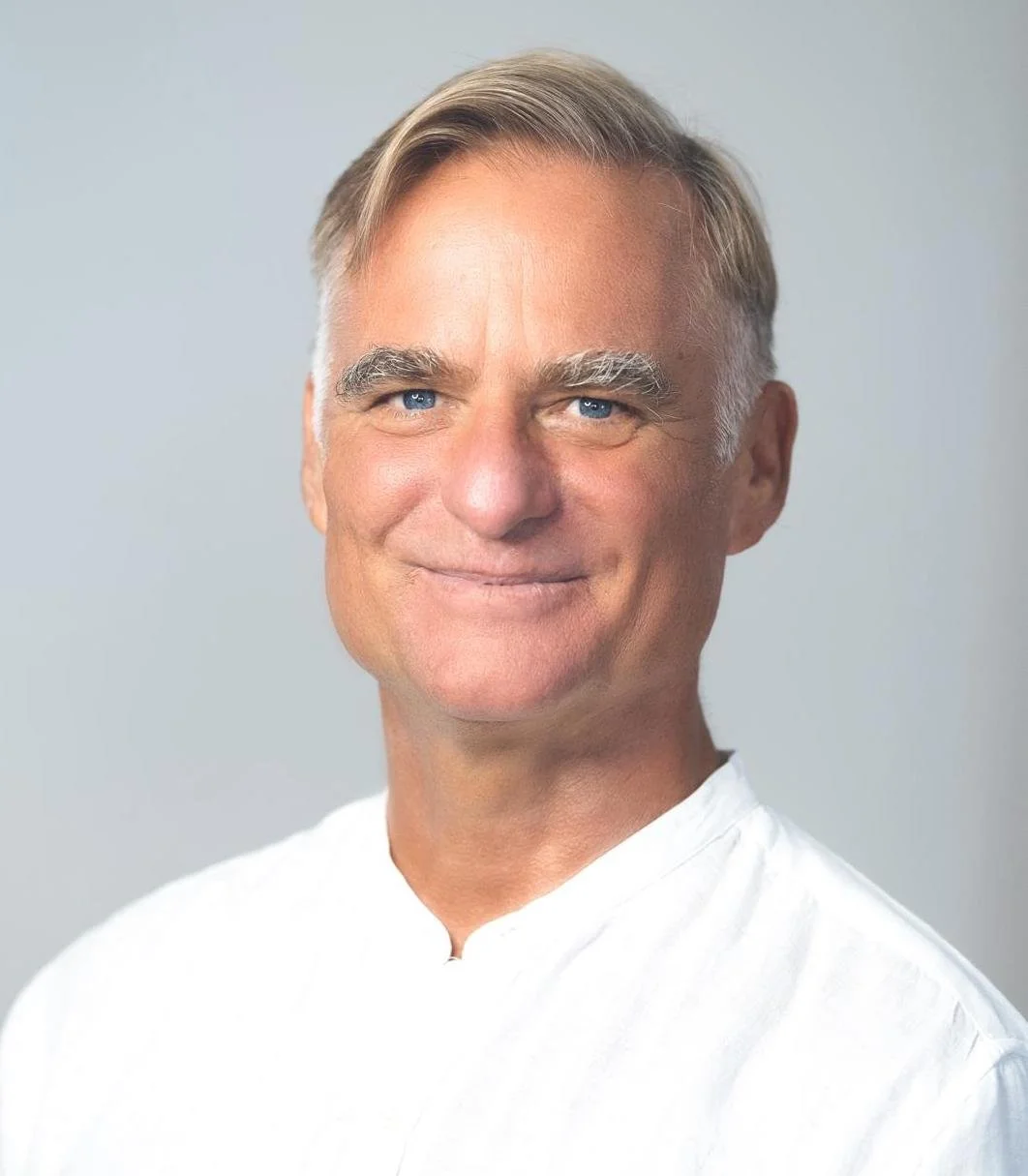
In June, our HSE Learning Community presentation featured Dr. Brian Siddhartha Ingle, who spoke about Applications of Quantum Biology for Somatic Educators. Brian, who is both a doctor of Osteopathic Medicine and a Certified Hanna Somatic Educator, said he began to wonder why some people rarely get ill while others develop chronic conditions, after his sister was diagnosed with late stage breast cancer at an early age.
His subsequent research convinced him that lifestyle choices, particularly those that disrupt circadian rhythms, might be the root cause of his sister’s disease. Brian considers Quantum Biology an “holistic approach to wellbeing” that can serve as a foundation for longevity.
So, what exactly is Quantum Biology? I’d like to begin with some basic definitions not covered in Brian’s talk. The word “quantum” means any of the smallest increments into which forms of energy can be subdivided, e.g., atoms. Atoms can be further subdivided into electrons and nuclear particles (e.g., protons, neutrons, neutrinos, etc.). Quantum mechanics studies the physical behavior of these particles, which, as it turns out, behave in rather mind-boggling ways, e.g.,
• Superpositioning: Subatomic particles can exist in multiple
states or places at once until measured.
• Wave-Particle Duality: Electrons and protons exhibit both
wave-like and particle-like properties. Sometimes they behave
as one, sometimes as the other.
• Entanglement: Particles become linked, so that whatever
happens to one will instantaneously affect the other, no matter
how far apart they are. Albert Einstein referred to entanglement
as “spooky actions at a distance.”
• Tunneling: Subatomic particles can sneak through barriers that
they shouldn’t have the energy to overcome.
• Coherence: Originally developed by scientists to understand
the wave-like behavior of light, the concept of coherence now describes the relationship of particles within a system and how
those relationships are likely to evolve.
Quantum coherence measures the wave-like behavior of particles and the relationship between the phases of different waves.
Waves that are in sync and interfere with each other in coherent ways create the superpositioning described above, maintain entanglement, and enable tunneling.
Quantum Biology applies the principles of quantum mechanics to the biological systems of living organisms. For many years, scientists believed that quantum principles could not be significantly present in biological systems because they were too “warm, wet, and noisy… i.e., exposed to environmental fluctuations” that promote decoherence and suppress quantum principles. That being said, the quantum nature of biology has been under investigation for decades and is demonstrable in many biological processes, e.g.,
• Enzyme catalysis: Quantum tunneling is at the heart of a series
of steps by which enzymes speed up chemical reactions that are essential for biological processes. Quantum tunneling may also
clarify how our noses detect odors.
• Avian Navigation: Superpositioning and quantum entanglement
may explain how birds use the earth’s magnetic field to navigate
and fly long distances.
• Photosynthesis, the transformation of sunlight into energy, relies
on superpositioning and quantum coherence.
The first part of Brian’s talk focused on how humans respond to sunlight and to the energy of the earth. He encouraged listeners to think of sunlight as a source of fuel and energy, to be consumed at the right time of day, just as we would food. Red and near-infrared light from the sun penetrates our bodies where it’s absorbed by our mitochondria. You might (or might not) recall from high school biology that mitochondria (organelles within our cells) are often referred to as “the powerhouse of the cell” because they make ATP (adenosine triphosphate), a molecule essential for muscle contractions, metabolic reactions, and other vital functions including maintaining homeostasis. Without ATP, cells cannot survive.
From Brian’s perspective, chronic disease indicates that colonies of mitochondria at a particular site in the body are not doing well and are therefore less able to generate sufficient ATP. We can help them thrive by getting out into the sunlight (specifically early morning sunlight) and putting our feet on the earth in order to absorb the earth’s energy, which Brian described as having natural anti-inflammatory properties. Taking in early morning sunlight helps to regulate the release of AM cortisol (which we need to wake up) and the production of melatonin, which helps us fall asleep at night. Melatonin participates in mitochondrial repair and acts like a cellular janitor by clearing out trash. Early morning light also boosts dopamine and serotonin production. Low levels of both are linked to depression. UVA and UVB rays have beneficial effects related to mood and appetite regulation, immune support, inflammation, bone health, and blood pressure regulation. Something as simple as sun exposure can reduce the likelihood of cardiovascular and autoimmune diseases, as well as Type 2 diabetes. Or, in the words of Dr. Fritz-Albert Popp, who Brian quotes in his talk, “the function of our entire metabolism is dependent on light.”
Dr. Popp was referring to natural light. Artificial light, especially when absorbed at night before bedtime, can negatively impact our health. The blue lights of electronic screens reduce melatonin levels at exactly the time we want them to be high. If we stay up long enough to get a second wind (which is easy to do when lights are bright), we’re more likely to get hungry. When we eat late (i.e., too close to bed time), our bodies must spend the overnight hours digesting food instead of performing cellular repair. This, in turn, can lead to poor or insufficient sleep, which causes brain fog, loss of focus, indigestion, and elevated blood glucose levels. We're too tired to get up and get out in the early morning, which further disrupts our circadian rhythms and leads to metabolic dysfunction. Numerous pathological conditions are associated with the disruption of our circadian rhythms, including diabetes and hypertension. A solution? Go to bed earlier and eat at least 4 hours before your bedtime (preferably during daylight hours). Limit your use of electronic devices in the evening, and if you must use them, install blue light filters. Invest in full-spectrum light bulbs and keep lights low before bed time, or turn them off completely.
For Brian, eating at appropriate times, seeking out early morning sun, and touching the earth are “ quantum-aligned” lifestyle habits . Brian suggests that we think of ourselves as bodies of light: our cells emit light particles (biophotons) that demonstrate quantum coherence, forming a cellular communications network. Mitochondria appear to be important sources of biophotons, and studies have found that patients with major depression, bipolar disorders, and schizophrenia exhibit mitochondrial dysfunction. Light-based therapies are now under investigation for depression and appear to show promise.
For Brian, eating at appropriate times, seeking out early morning sun, and touching the earth are “ quantum-aligned” lifestyle habits that call forth the “the healing intelligence of the soma.” To promote longevity and well-being, we would do well to imitate the behavior of wild animals: keep our feet firmly on the ground and sit in the sun with our eyes facing east. To your health!
Lisa Sack, CHSE
flourish@clearsightyoga.com
AHSE Members can watch the video here: Applications of Quantum Biology for Somatic Educators with Dr. Brian Siddhartha Ingle