
SomaTimes
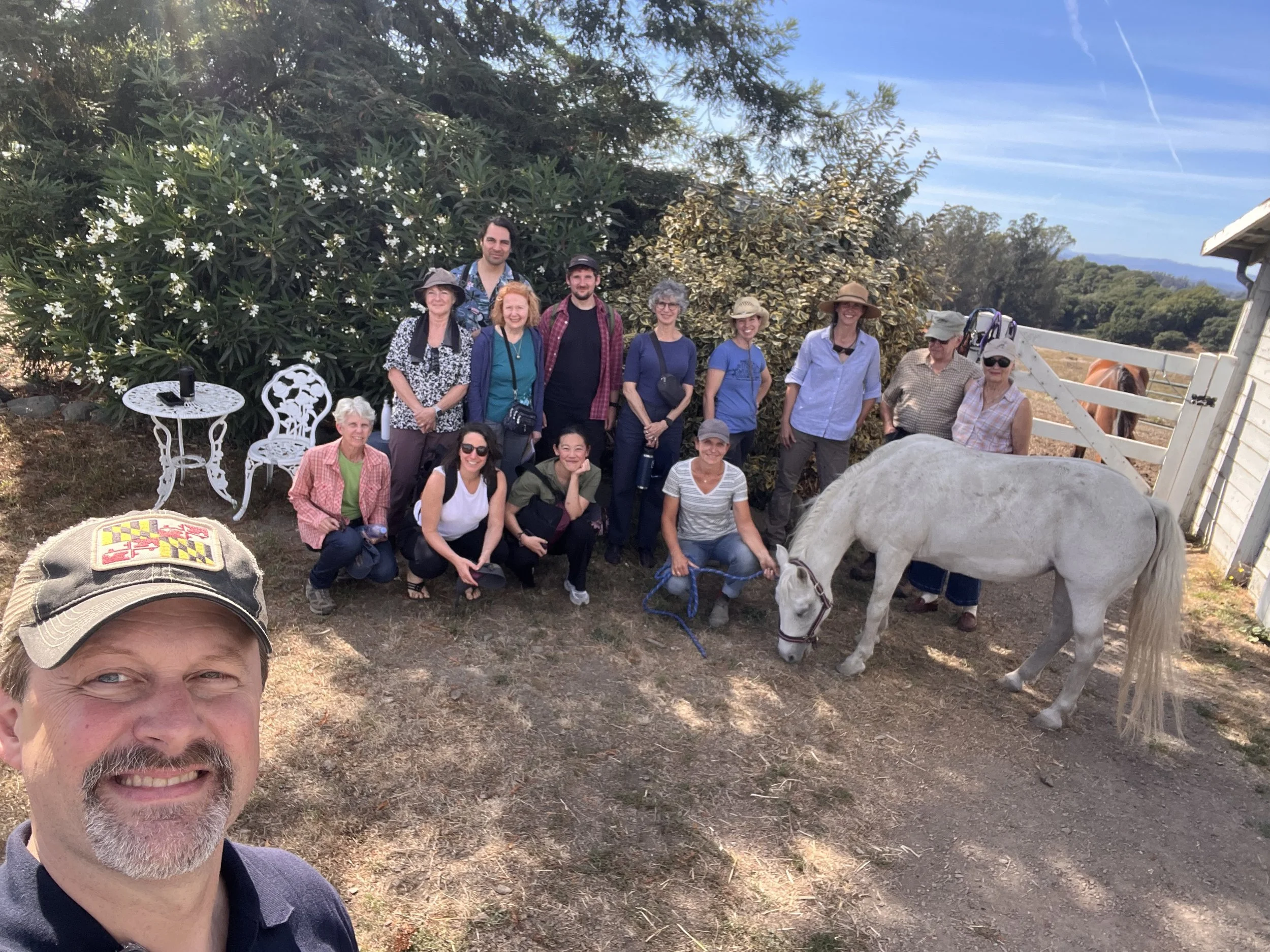
An Equine Hanna Somatics (EHS) Demonstration
August 23rd was the final day of an intensive 3-day Equine Hanna Somatics (EHS) Hands-On Professional Training conducted by Alissa Mayer at a private horse facility in Petaluma, California. We invited the HSE Teaching Team, as well as several attendees of their recent 5-day HSE Hands-On training program (for humans!) held in Novato, to a private, interactive demonstration of how we work somatically with horses. It was so much fun!
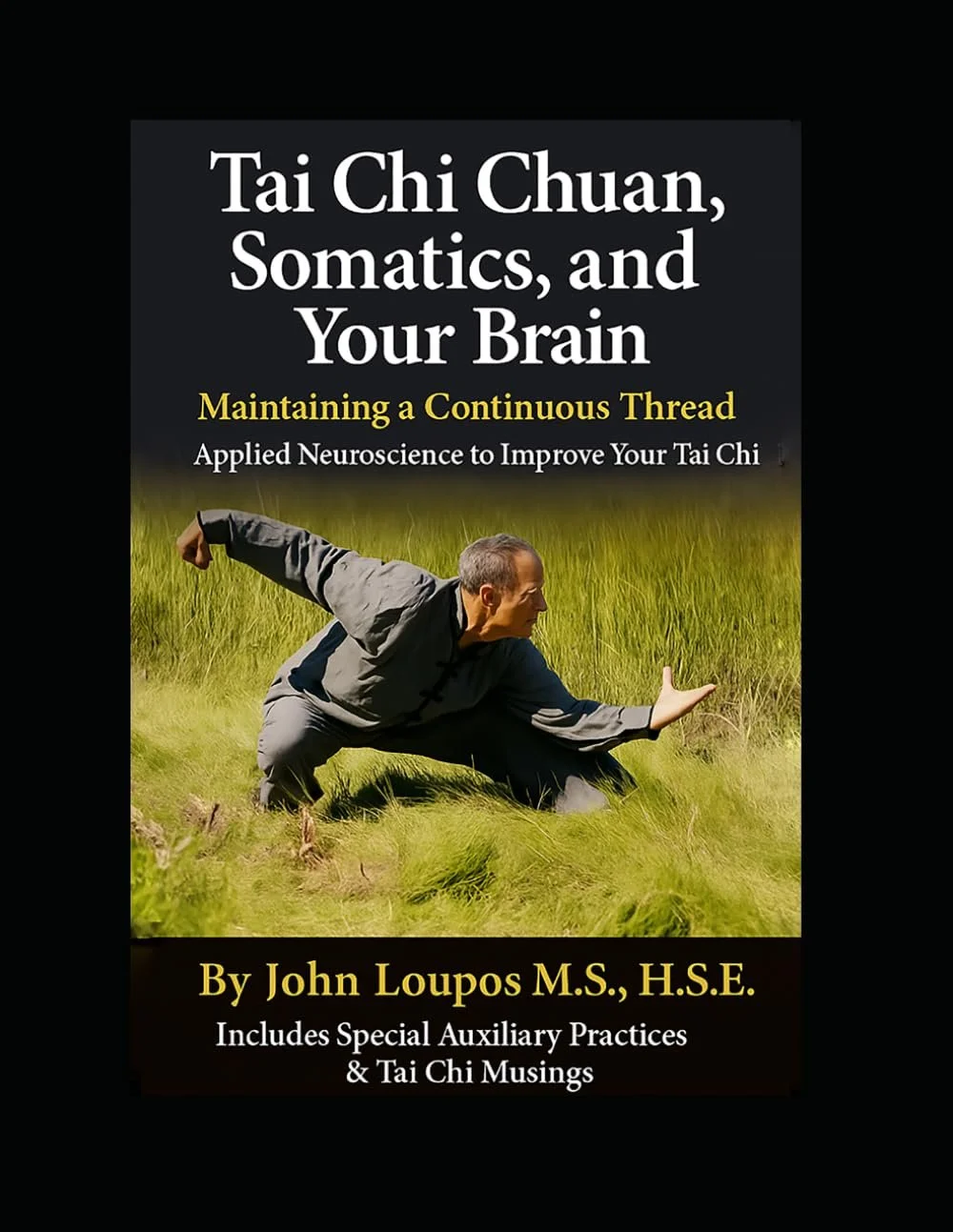
Tai Chi Chuan, Somatics, and Your Brain
A must-read for all Tai Chi enthusiasts, no matter what style you practice. John Loupos, a Master of the art, offers his knowledge of Hanna Somatic Education (HSE) to help Tai Chi-ers elevate their practice to the highest possible level. His premise: unconscious, acquired postural habits follow us into our Tai Chi, limiting our range of motion and ability to sense our body. Complementary practices like HSE, a system of neuromuscular re-education, can reverse those habits and deliver the fluidity, rootedness, and sure-footedness we seek so that we reap the health benefits of Tai Chi.

The Philosophical Touch
“Today, somatic is used to describe everything from slow movement practices to trauma work, to anything that involves sensing the body from within. While those uses aren’t entirely wrong, they often miss the depth and precision the word once carried. In Hanna’s original framing, somatics wasn’t a technique or a trend. It was a philosophical stance – a way of recognizing the body not as an object to be acted upon, but as a living, perceiving subject.”

Review of “Somatic Techniques for Massage Therapists,” by Gabriel Posner
Let me start off by saying what a pleasure it was to read and review Gabriel Posner’s new book about Somatics and massage, especially given that I too have recently completed a somewhat parallel manuscript for a book about Somatics and Tai Chi.

Quantum Biology – A Summary with Commentary by Lisa Sack
In June, our HSE Learning Community presentation featured Dr. Brian Siddhartha Ingle, who spoke about Applications of Quantum Biology for Somatic Educators.

Eleanor Criswell Hanna - In Memoriam
Like many of you, I first met Eleanor when I enrolled as a student in the training program at the Novato Institute. I knew very little about Eleanor when I first enrolled in the program, and 18 years later, I can confidently say that I barely scratched the surface of understanding this incredible and exceptionally humble soma.


How Fascial Unwinding Releases Trauma Through the Body
In SomaSensing, fascial unwinding is a process of allowing the body's innate intelligence to release, reorganize, and restore balance. It is a subtle, intuitive movement that arises when the body is in a calm, receptive state. Rather than being a technique imposed upon the body, unwinding is an emergent response—an organic unfolding of movement that facilitates deep healing.

Somatic Strategies for Asymmetrical Patterns and Scoliosis
All during my professional dance career, performing and teaching, I had been looking for ways to improve my triple curve scoliosis. But Tom Hanna’s work offered me the first substantial positive results, including less pain, stiffness, ways to prevent or manage crisis in my back, and the extra wear and tear on various joints because of the asymmetry in the center.

Cat Stretch Musings
I met Moshe Feldenkrais when I was 16 years old during the summer trainings in San Francisco in the mid-1970’s. What I remember most as I was introduced to him was the twinkle in his eyes.

Tai Chi and Hanna Somatic Education as Complementary Disciplines
“Tai Chi, for all its inherent merits, can be much enhanced by certain auxiliary practices, the most obvious and prevalent of which are various forms of qigong. One non-traditional practice that I’m well versed in is Hanna Somatic Education, which I’ll be referring to here as Hanna Somatics, or just Somatics. Tai Chi Chuan and Hanna Somatics stem from very different times and cultures. Yet they share many features in common. Tai Chi Chuan and Hanna Somatics both emphasize mindful movement – meaning movement that is slow, deliberate, and purposeful. Both place a high value on self-sensing, on ergonomically correct posture and carriage, on movement that is optimally efficient, and on a healthy mental state that is conducive to self-actualization and personal freedom.”